Next Gen GST Reform 2025 | What Gets Cheaper & Costlier
Historic Diwali gift to the nation by the Government for building a Aatmanirbhar Bharat. Next Gen GST Reform 2025 explained in simple words. Check old vs new GST rates and see what will become cheaper and what will costlier
5/8/20243 min read
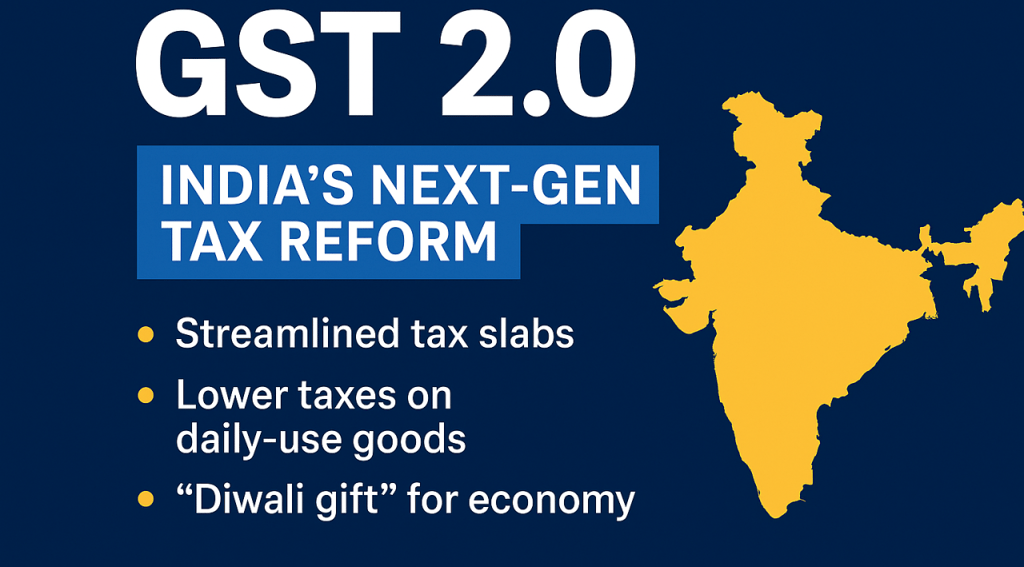
The Next Gen GST Reform 2025, also called GST 2.0 in India, is one of the biggest tax changes since GST was first introduced in 2017. The government has decided to reduce multiple tax slabs into just two main slabs – 5% and 18%, while luxury and sin goods will be taxed at 40% to simplify the Goods and Services Tax structure
This change is expected to benefit common people, reduce confusion, and help businesses with easier compliance. Let’s understand the new GST rates 2025 and see what will become cheaper and what will costlier.
What Is the Next Gen GST Reform 2025?
Currently, India has four GST slabs – 5%, 12%, 18%, and 28%. The new reform introduces:
5% slab → for essentials and basic services
18% slab → for standard goods and services
40% slab → for luxury and sin goods like tobacco, alcohol, and luxury cars
This move will not only simplify GST filing but also make the tax system fairer and more predictable.
✅ What Will Become Cheaper Under New GST Rates 2025?
The government has shifted several items from higher slabs (12% or 28%) to lower ones (5% or 18%). This will directly reduce costs for households.
Daily essentials: soaps, toothpaste, detergents, packaged food
Electronics: TVs, refrigerators, washing machines, air conditioners
Automobiles: small cars and two-wheelers
Insurance premiums: health and general insurance
Telecom services
👉 In short, middle-class families will save money on both daily needs and durable goods.
❌ What Will Become Costlier Under GST 2.0 India?
While many items are getting cheaper, some will become more expensive under the 40% GST slab. These include:
Tobacco products: cigarettes, chewing tobacco, pan masala
Luxury cars and SUVs
Alcoholic beverages (outside GST, but higher cess likely to align with 40%)
Designer goods: premium watches, perfumes, handbags
High-end imported luxury items
👉 The government’s idea is clear: make essentials affordable, but tax luxury and harmful goods more heavily.
📊 Old vs New GST Rates (2025)
Here’s a comparison of old vs new GST rates to see the impact clearly:
Category Old GST Rate New GST Rate (2025) Impact
Soaps, toothpaste, detergents 12% 5% Cheaper ✅
Packaged food items 12% 5% Cheaper ✅
TVs, refrigerators, washing machines 28% 18% Cheaper ✅
Air conditioners, other appliances 28% 18% Cheaper ✅
Small cars & two-wheelers 28% 18% Cheaper ✅
Insurance premiums 18% 5% Cheaper ✅
Telecom services 18% 5% Cheaper ✅
Tobacco, pan masala 28% + cess 40% Costlier ❌
Luxury cars & SUVs 28% + cess 40% Costlier ❌
Alcoholic beverages State taxes/cess ~40% Costlier ❌
Designer goods, perfumes, watches 28% 40% Costlier ❌
Why This GST Reform Matters
The Next Gen GST Reform 2025 is not just about new slabs, it’s about long-term economic benefits:
🏠 Households save money on essentials and appliances
🏢 Businesses face fewer compliance burdens with simpler tax rules
📉 Inverted duty structures resolved, reducing disputes
📈 Higher demand due to lower costs of daily goods
🚀 Step towards single-rate GST by 2047, ensuring tax stability
Final Thoughts
The new GST rates 2025 under GST 2.0 India are a big step towards a simpler and fairer tax system. For the common man, essentials and appliances will become cheaper, while luxury and harmful items will become costlier.
This reform is expected to boost consumption, reduce confusion, and help the economy grow. For most Indian families, this looks like a welcome relief in their monthly budget. 🎉
❓ FAQs on Next Gen GST Reform 2025
1. What is the Next Gen GST Reform 2025?
The Next Gen GST Reform, also known as GST 2.0, is a new tax structure where the government has simplified GST into two main slabs – 5% and 18% – with 40% for luxury and sin goods.
2. What are the new GST rates in 2025?
From September 2025, India will have three slabs:
5% for essentials
18% for standard goods and services
40% for luxury and harmful goods
3. What items will become cheaper under GST 2.0?
Everyday items like soaps, toothpaste, detergents, packaged foods, TVs, refrigerators, ACs, washing machines, small cars, two-wheelers, telecom services, and insurance premiums will become cheaper.
4. What items will become costlier under the new GST reform?
Tobacco, pan masala, luxury cars, SUVs, alcoholic beverages, designer goods, and premium imported items will become more expensive.
5. Why is this GST reform important?
The reform reduces complexity, lowers household costs, resolves tax disputes, boosts consumer demand, and is a step towards a single-rate GST by 2047.
Related News :-